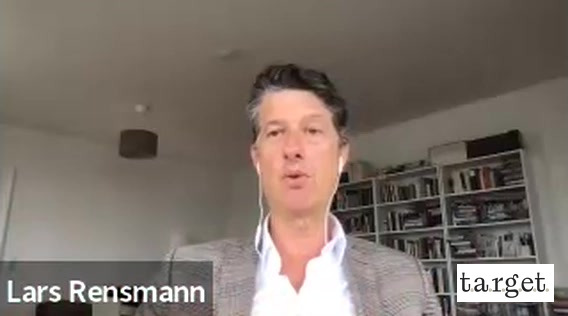
Raul Cârstocea traced connections between fascist movements across Europe, while Lovro Kralj examined antisemitism within the Croatian Ustaša movement. Martina Bitunjac explored the roles women took on in the movement and their political responsibility. Turning to the present, Lars Rensmann discussed antisemitism in politics and how digital platforms can amplify hate speech.
Ljiljana Dobrovšak showed how teachers can work with the original texts of racial laws enacted in the Independent State of Croatia (NDH). Eliza Ilie, of the Iași County School Inspectorate in Romania, used the 1941 pogrom against the Jews of Iași to illustrate what pupils can learn by constructing a timeline. Sandra Prlenda and Ljiljana Dobrovšak introduced the project’s educational platform. A Croatian-language teaching guide accompanies its timeline, maps and historical sources.